
Blog posts tagged "Snaps"
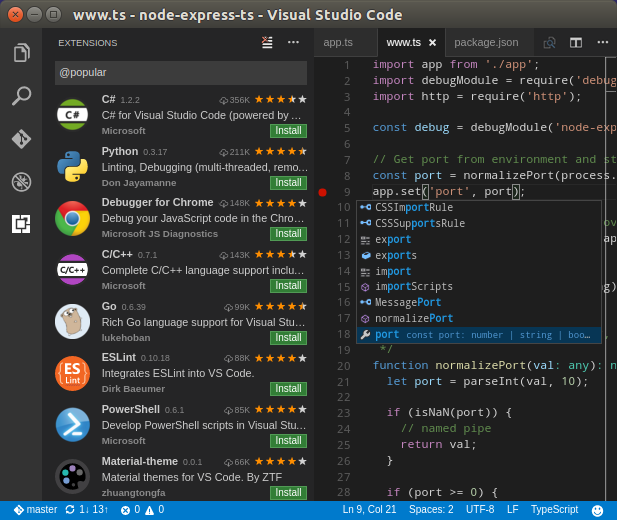
Microsoft’s Visual Studio Code is a popular free code editor with built-in support for debugging, task running, and version control. While available for Linux via tarball, rpm, and debian package options, the Visual Studio Code team had been seeking new options that would support seamless upgrades to match their rapid release cadence. Joa

A while back I wrote a post about distributing a ROS system among multiple snaps. If you want to enable some sort of add-on story, you need to have multiple snaps, and that remains the way to do it today with ROS. That approach works, but I’ll be the first to admit that it’s not

As connected devices proliferate in the Internet of Things (IoT), companies need an efficient over-the-air (OTA) update mechanism for remotely delivering new software, features, firmware updates and security enhancements to potentially huge numbers of geographically dispersed embedded devices. Pushing software updates can range from a few

4th April 2019, London, UK – As of today, Microsoft Visual Studio Code is available for Linux as a snap, providing seamless auto-updates for its users. Visual Studio Code, a free, lightweight code editor, has redefined editors for building modern web and cloud applications, with built-in support for debugging, task running, and version c

Hands up if you or someone in your team work remotely. I am sure there are many of you out there. One of the biggest growing trends, since I started working in the technology industry 15 years ago, is how common and accessible working from home has become. There are many advances that contributed to its adoption, but surely how we evolved

Several months ago, we shared an article titled I have a need, a need for snap that detailed the application performance results of snaps compared to their classic repo counterparts. We tested GIMP and VLC on both Ubuntu and Fedora, with some rather interesting findings. The one aspect of the application usage sequence we did

At Canonical, helping customers overcome their challenges is what we do every day. In the IoT world, a common challenge we encounter is customers who are interested in transitioning to Ubuntu Core and the snapcraft.io ecosystem, but are unsure how to begin. This post covers the recommended approach. In most cases, it’s relatively easy for

At the end of last year, we shared an infographic highlighting the adoption of snaps by users for their desktop, server or IoT devices. Those snaps wouldn’t be available without the growing number of developers building them behind the scenes. But why have developers, including those from some of the world’s largest software companies, de

The snapcraft CLI has supported building ROS1 snaps for a while via the catkin plugin. We supported the ROS2 betas via the ament plugin, but that was before Open Robotics had a ROS2 package repository setup, which meant that the ament plugin built the ROS2 underlay from source, and it was predictably dreadfully slow. However,

EdgeX Foundry is now available as a snap, making it available to millions of Linux users and developers via the ever-expanding Snap Store. EdgeX Foundry is a vendor-neutral open source project hosted by The Linux Foundation building a common open framework for IoT edge computing. EdgeX provides the ability to extract data from a multitude

With a proliferation of related hardware, software and solutions being rushed out to capture the promise of a multi-billion dollar IoT industry, vendors are under pressure to decrease their development time and speed up their time to market. Choices such as selecting the right infrastructure from the outset become even more important duri

My current job involves me mostly working in the upper layers of the desktop software stack however I started out working in what was then called embedded engineering but now would probably be know as the Internet of Things (IoT). I worked on a number of projects which normally involved taking some industrial equipment (radio

A couple of weeks ago, we talked about snap security, taking a journey through the eyes of a developer and handing over to a user who wants to install applications from the Snap Store. We discussed concepts like application confinement, interfaces, store review, and automatic updates. Today, we will look under the hood, and examine
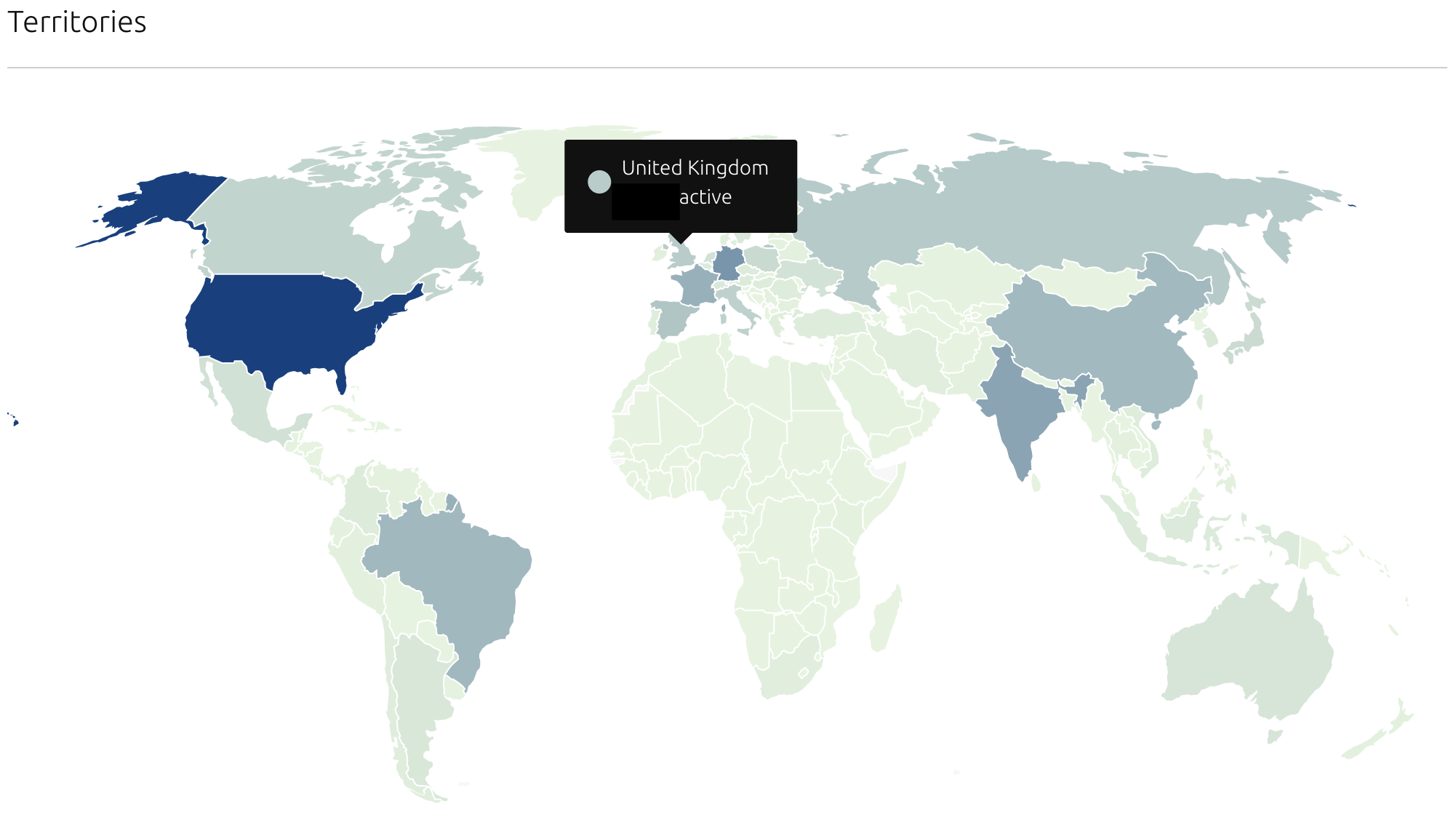
The Snap Store is able to provide insightful information to Independent Software Vendors (ISVs) about usage of their snap applications. Our goal is to help snap publishers interact better with their users and make the most of their relationship. The primary metric provided by the store is the active installed-base. We will show how this

Coinciding with the release of Ubuntu 18.10 today, we have celebrated the exceptional adoption of snaps by sharing the infographic below. From popular snaps to daily installs, this infographic demonstrates where, when and why users are installing and adopting the secure, Linux application format. For more commentary around these numbers,

Actions speak louder than words. So do numbers. When we talk about snaps, we often focus on the application packages, and talk about their individual merits. However, a no less important – and interesting – facet is the collective numbers behind the scenes. They tell a compelling story for developers and users alike. They allow