
Blog posts tagged "snapcraft.io"

Technology is a medium that enables us to achieve things in life, ideally in a pleasant way. In the software world, operating systems, programming languages and application frameworks are the tools of the trade. But you need the right tool for the right job. If you’re thinking about writing or porting your code to snaps,

Snaps are designed to be self-contained packages of binaries, libraries and other assets. A snap might end up being quite bulky if the primary application it contains has many additional dependencies. This is a by-product of the snap needing to run on any Linux distribution where dependencies cannot always be expected to be installed. Thi

Text editors are a curious product. On one hand, they are simple, no-nonsense digital pads for taking notes, without any embellishments or visual styling. On the other, they are powerful code and data toolboxes, allowing for a great deal of flexibility and innovation. Indeed, software developers, Web developers and entrepreneuring nerds w

Branches are an under-used but important feature of the Snap Store publishing capabilities. Indeed as I’m writing this post, I’ve never had a need to use the feature, and I’ve been publishing snaps for four and a half years. Let’s fix that! Start with acorns The rationale for branches is simple. Each snap in the

Alongside performance, theming is one of the primary concerns for desktop snap users. People expect applications bundled inside snaps to look and behave just like their counterparts shipped and packaged in the traditional way in their Linux distributions, and any discrepancy in this space can lead to a degraded user experience. Over the y

Everyone wants fast applications. Recently, we provided a mechanism to make snap applications launch faster by using the LZO format. We introduced this change because users reported desktop snaps starting more slowly than the same applications distributed via traditional, native Linux packaging formats like Deb or RPM. After a thorough in

I’m celebrating nine years at Canonical, and coming up on 15 years since I started contributing to Ubuntu in the community. It’s been quite the ride, helping build, support and advocate for the most popular Linux desktop, and most used Linux distribution in the cloud. Over those years, we’ve strived to make it easy for

The world of software is a vast and complex one, often too difficult to easily assess by human intuition alone. Which is why detailed and accurate measurements of software behavior are essential in helping us understand and gauge how well our applications perform. The Snap Store has a fair share of productivity tools and utilities,

Language translation. Easily said, not easily done. Human languages have evolved over the past 30,000 years, tightly coupled to culture and collective memories of peoples, which is why, even today, we often struggle with fine nuances of meaning and context, especially when they need to be expressed in another language. But then, if we str

Back in mid-2019, we wrote a blog post detailing and comparing the most popular snaps across multiple distributions – Arch Linux, CentOS, Debian, Fedora, Manjaro, and Ubuntu. This article gave us a fascinating insight into the usage patterns across these different systems and their audiences. We wanted to see if and how the situation has

In October, we shared a blog post detailing significant snap startup time improvements due to the use of a new compression algorithm. In that article, we focused on the cold and hot application startups, but we did not delve much into the first-run setup scenario. While running our tests, we observed a rather interesting phenomenon,
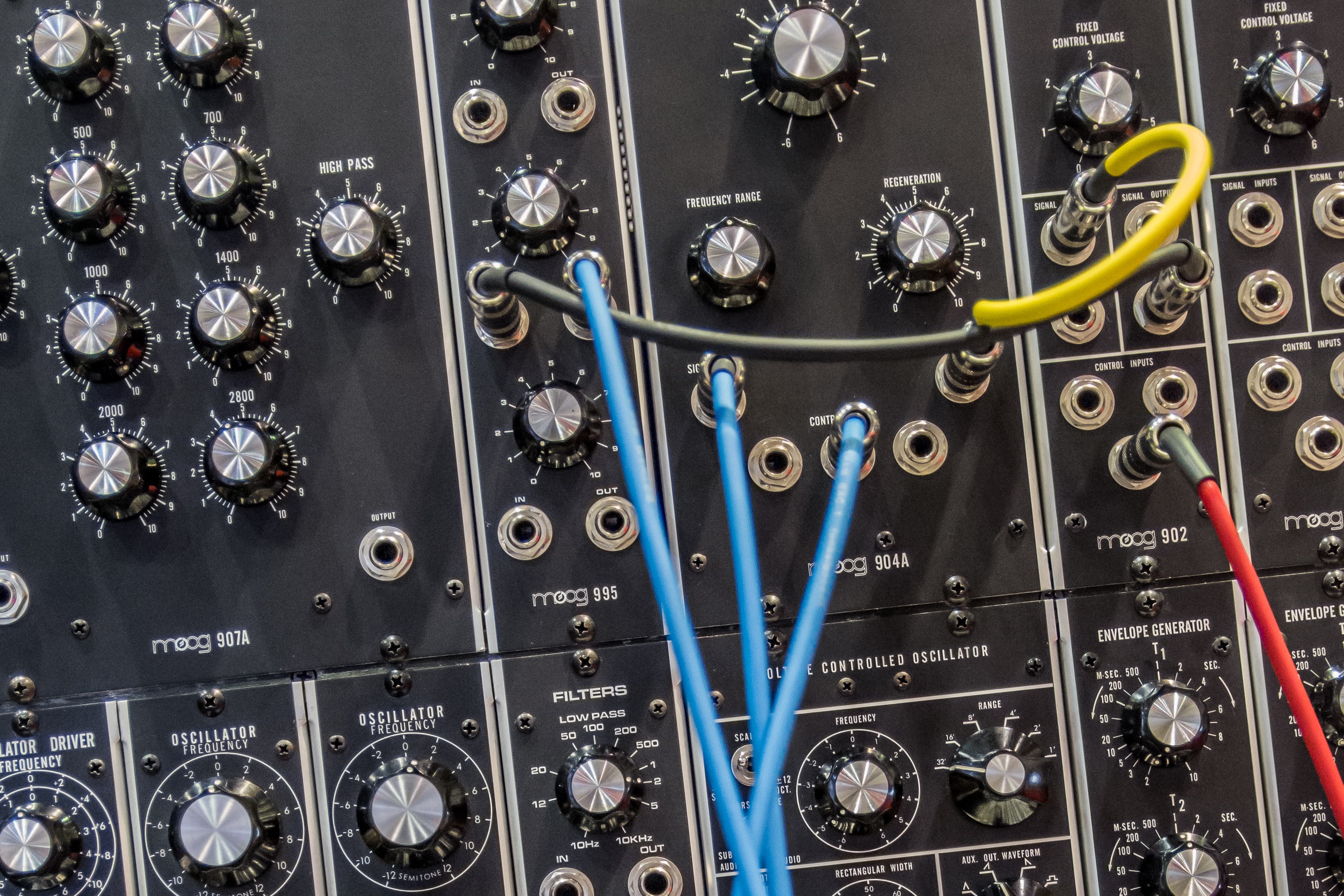
These days, the internal workings of Linux applications involve many different moving parts. Sometimes, it can be rather difficult to debug them when things go wrong or run slower than expected. Tracing an application’s execution is one way of understanding potential issues without diving into the source code. To this end, we wrote an app

Security and performance are often mutually exclusive concepts. A great user experience is one that manages to blend the two in a way that does not compromise on robust, solid foundations of security on one hand, and a fast, responsive software interaction on the other. Snaps are self-contained applications, with layered security, and as
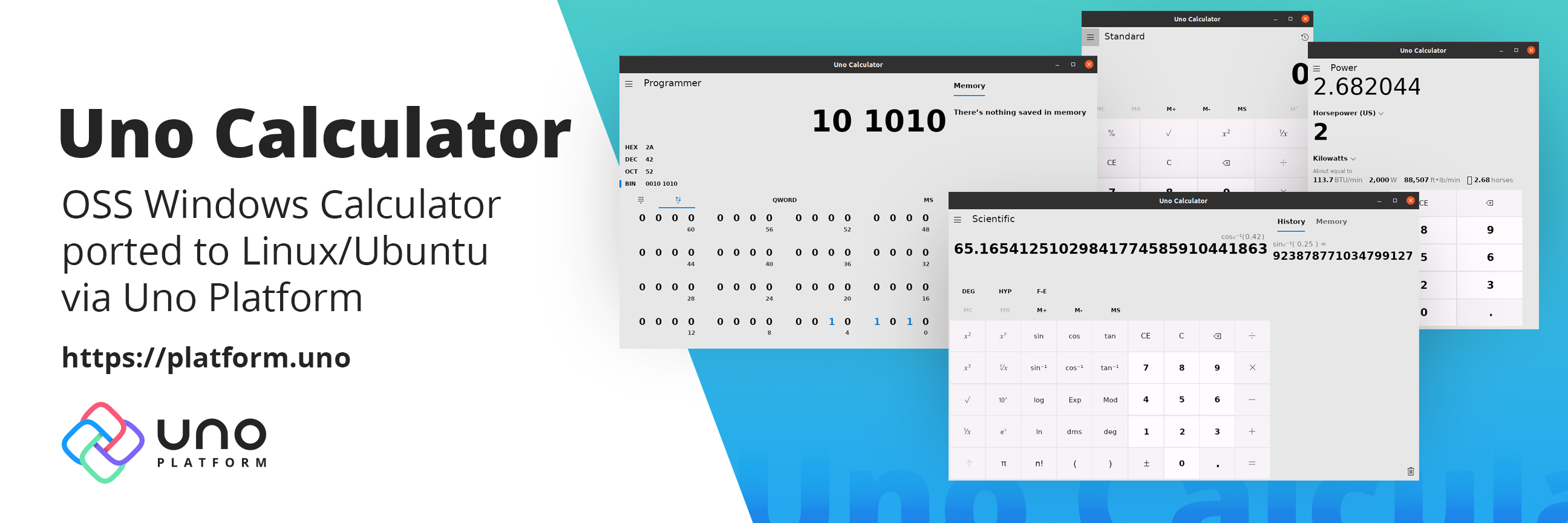
The good folks in the Uno Platform community have ported the open-source Windows Calculator to Linux. And they’ve done it quicker than Microsoft could bring their browser to Linux. The calculator is published in the snapstore and can be downloaded right away. If you’re on Ubuntu or you have snapd installed just run: snap install

In environments with large numbers of client machines, configuration management tools are often used to simplify and standardize the target state of each host in a seamless, automated and consistent manner. Software like CFEngine, Chef, Ansible, and others offer a high degree of granular control over software packaging and system configur

The Snap Store has been designed to enable upstream developers and enthusiastic community contributors to publish snaps. As with most Linux packaging solutions, the wider community are often responsible for starting and maintaining software packages. This is a double-edged sword, especially for humans with limited life spans and other shi