
Blog posts tagged "MAAS"
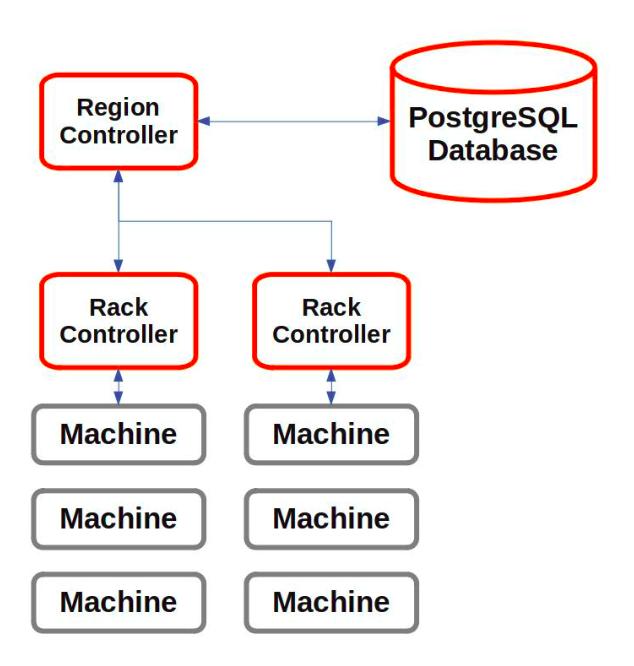
Much of the functionality of MAAS is contained in controllers. There are two basic types: a region controller and a rack controller. It’s useful to pull back and take a quick look at how these controllers work and interact. This will help you get a better picture of how MAAS operates. Region controller The region
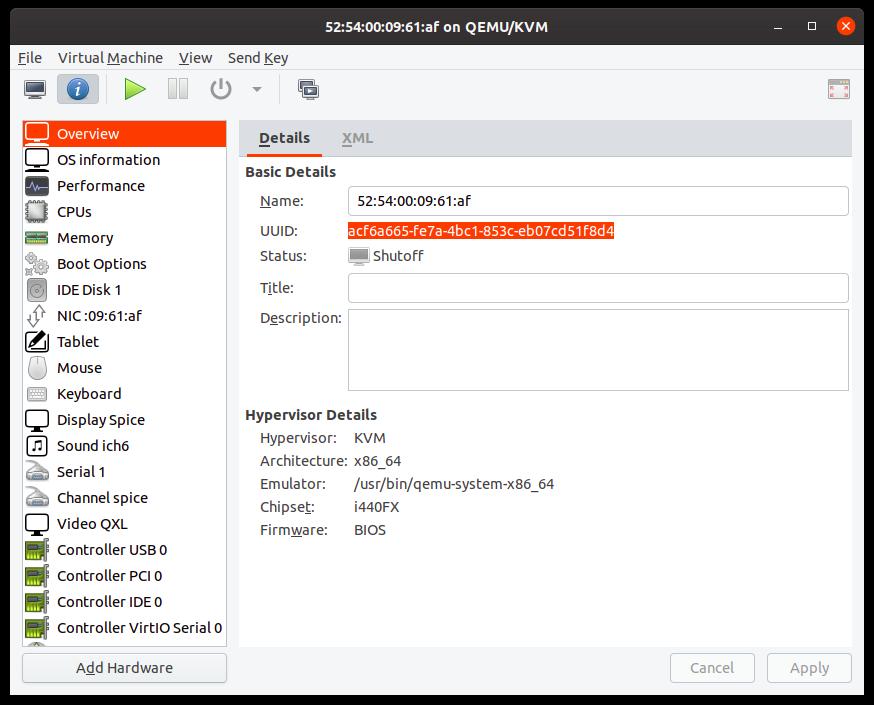
When designing or testing with MAAS, it’s often handy to start with virtual machines. If you’re just on your laptop, and you want to check out a new MAAS version, or mock up some datacentre idea you’ve been considering, KVMs are often very useful. You could create pods, of course, but it’s also very simple

I want to start using real-world examples and neat networking configurations and other problem-oriented efforts as my baseline for writing. Heck, I’d even like to try using MAAS to control my little Raspberry Pi farm, although that’s probably not the recommended configuration, and I’m not sure how PXE-booting would work yet.

MAAS (metal as a service), is a Canonical product which allows for very fast server provisioning and data centre management. Around 2014, work began to build a rich UI for MAAS, primarily using the AngularJS JavaScript framework from Google. AngularJS today is in long term support (LTS) and due to reach end-of-life in 2021. This

Yahoo! Japan, originally formed as a joint venture between Yahoo! and SoftBank, is one of the most popular internet advertising, search engines and e-commerce sites in the country and employs over 6000 people. Due to having such scale and volume of users, Yahoo! Japan required outside help to build their IaaS (infrastructure as a service)

This is a guest blog by Kara Todd, Director, Linux, IBM Z and LinuxONE Enterprises today need a highly secure, and flexible system to support their initiatives, and for that system to grow and evolve for tomorrow. The latest LinuxONE system was designed to support mission-critical initiatives and allow enterprises to be innovative as they
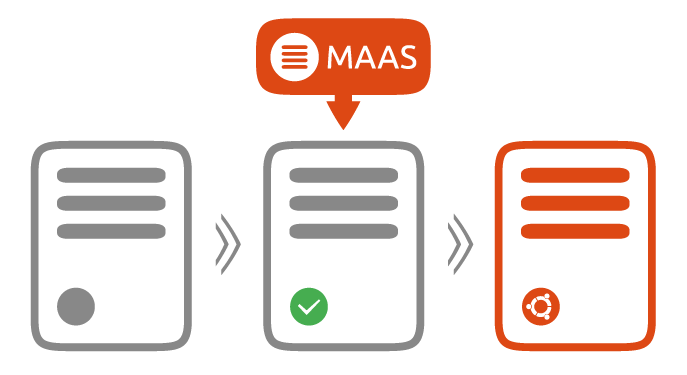
In this blog, we are going to explore how to leverage MAAS for hardware discovery and kernel auto-configuration using tags. In many cases, certain pieces of hardware require extra kernel parameters to be set in order to make use of them. For example, when configuring GPU passthrough we will typically need to configure the GPU
In this blog post, we are going to introduce the concept of multi-tenancy in MAAS. This allows operators to have different groups of users own a group of resources (machines) without ever even knowing about other groups of users enabling enhanced machine utilisation. A common use case for medium and large-scale environments is to provide
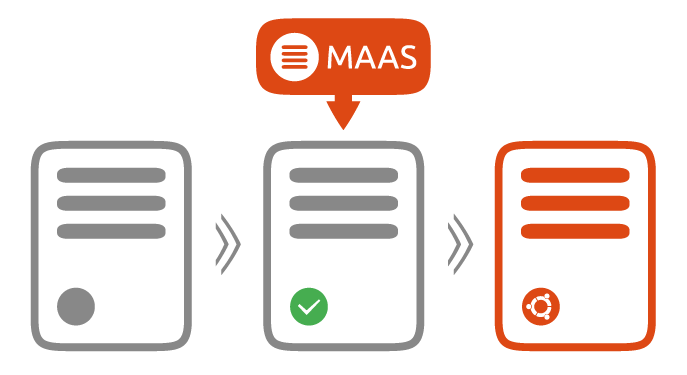
MAAS has supported provisioning ESXi starting from MAAS 2.5. However, MAAS 2.6 has expanded its support and provides new features that significantly improves the provisioning experience. What is supported? The support MAAS provides for provisioning an operating system varies depending on the operating system in use. Even though MAAS tries

Today, Canonical announces its Charmed OpenStack on Ubuntu has been selected by BT as a key component of its next generation 5G Core. Canonical, the company behind Ubuntu, will provide the open source virtual infrastructure manager (VIM) as part of BT’s Network Function Virtualisation (NFV) program, and the transition to a cloud-based Cor
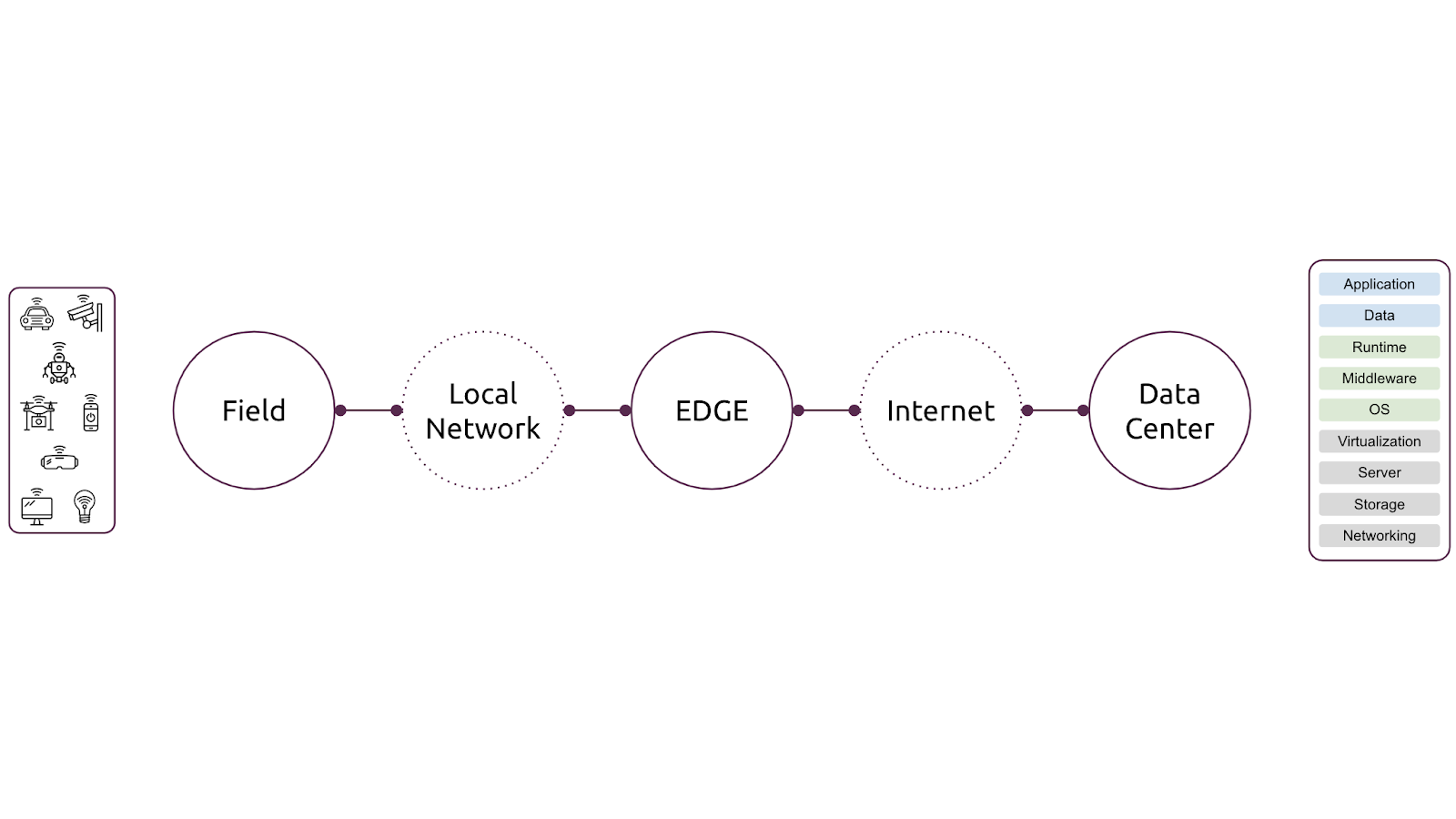
Edge computing continues to gain momentum to help solve unique challenges across telco, media, transportation, logistics, agricultural and other market segments. If you are new to edge computing architectures, of which there are several, the following diagram is a simple abstraction for emerging architectures: In this diagram you can see

Canonical is happy to announce the availability of MAAS 2.6. This new release introduces a range of very exciting features and several improvements that enhances MAAS across various areas. Let’s talk about a few notable ones: Growing support for ESXi Datastores MAAS has expanded its support of ESXi by allowing administrators to create & c

Use bare metal provisioning with a top-of-the-rack switch When deploying a small footprint environment such as edge computing sites, 5G low latency services, a site support cabinet or baseband unit, its critical to establish the optimal number of physical servers needed for set up. While several approaches exist, bare metal provisioning t

This was a fairly busy two weeks for the Web & design team at Canonical. Here are some of the highlights of our completed work. Web team Homepage takeovers This iteration we designed and built four takeovers for our home pages including: The German version of compliance webinar The German version of AI/ML webinar A

The advent of virtualisation has significantly changed the way we use IT infrastructure. In theory, the ability to share single server resources to run multiple isolated operating systems provides flexibility and promises easy operations. However, in practice, managing virtualised infrastructure can be quite expensive and complex as a res
Snapcraft squad Report a Snap Last year, a snap was found in the Snap Store using computing resources for bitcoin mining without user consent. This software was retired from the Store after further investigation and highlighted the need for snapcraft.io users to report potential snaps violating trademark, copyright or terms and conditions